
Key Takeaways
- Select the optimal route based on speed vs. cost parameters
- Prepare export documents and HS codes in advance
- Track transit times and coordinate with border agents
Focus on Business Requirements, Not Just Trucks
Many businesses ask which Thailand-China route is the fastest. However, the first question should be: when must the goods arrive, how fragile are they, and how many days of delay can you tolerate? High-value, urgent, and general cargo may require different routes, even between the same origin and destination.
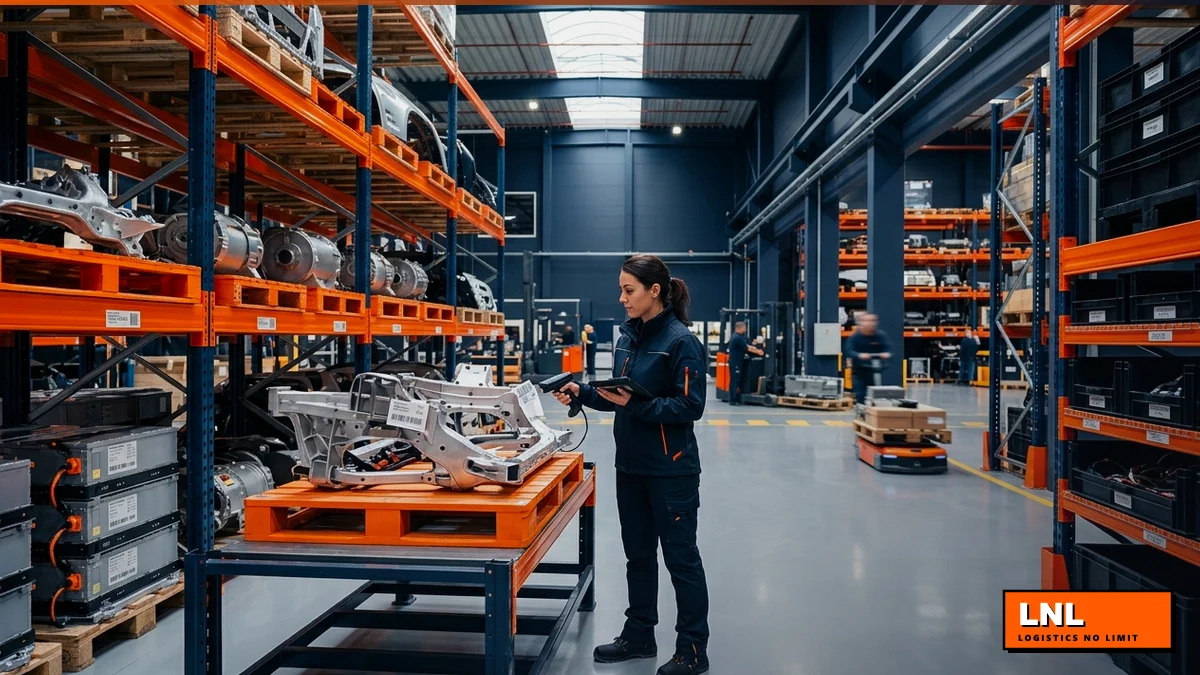
Information to prepare includes: exact cargo descriptions, photos, box count, actual weight, volume dimensions, packaging type, and the agreed Incoterms. This allows providers to accurately assess vehicles, documentation, border points, and costs.
- Product details and packaging type
- Detailed origin and destination addresses
- Target delivery date and milestones
- Available documentation and compliance checklist
Border Checkpoints and Handoffs: The Main Risk Factors
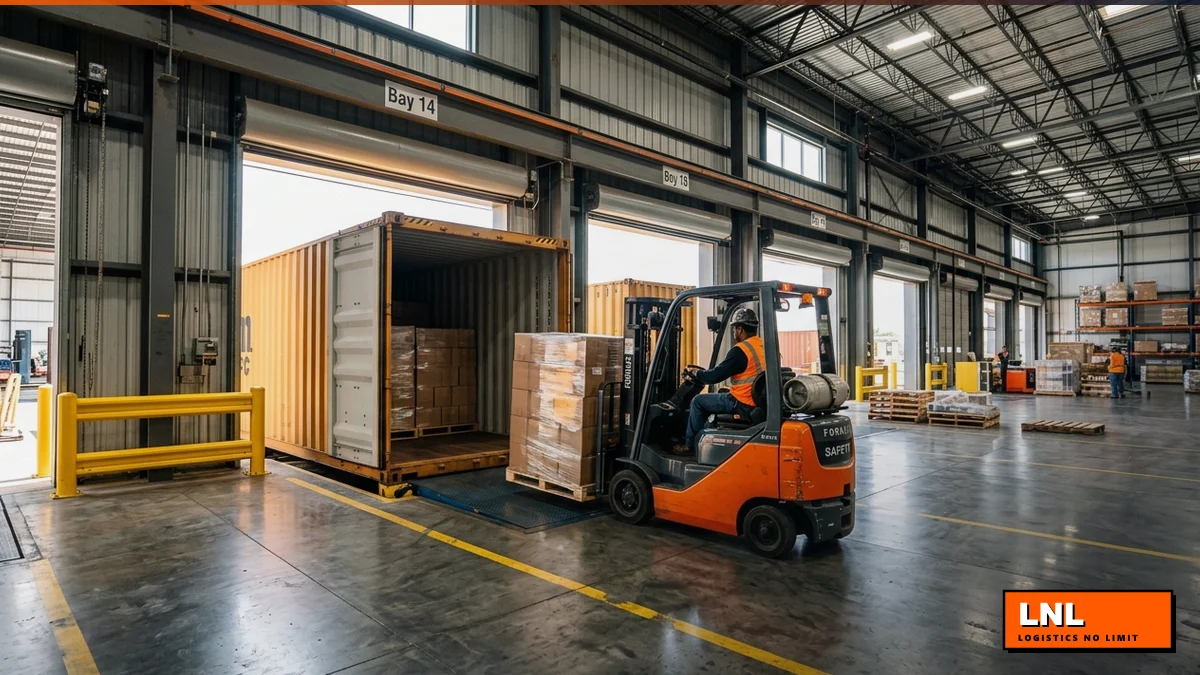
Cross-border logistics is not just about driving from origin to destination. It involves critical handover points, such as factory pickup, consolidation hubs, border crossings, trailer swapping, and final delivery. Each handoff must have a clear owner, timeline, and supporting documents.
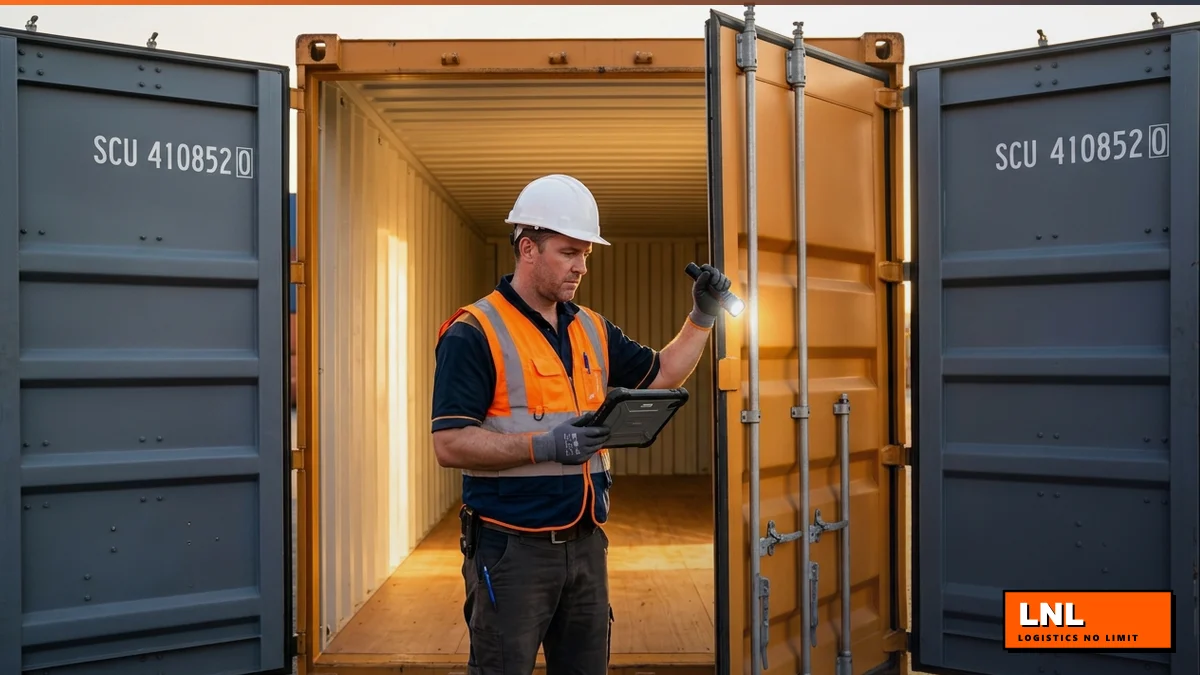
If the shipment transits multiple countries, always verify restrictions regarding transit documents, permits, and specific product controls in advance - especially for food, cosmetics, electrical appliances, batteries, and regulated goods.
Looking for Hassle-Free Logistics? Choose LOGISTICS NO LIMIT CO., LTD.!
We specialize in cross-border trucking, customs clearance, and global supply chain management. Secure, compliant, and tracked in real-time.
Contact Our Experts NowA Good Route Balances Cost Control and Risk Mitigation
A lower price may come at the cost of waiting for cargo consolidation, multiple trailer swaps, or lower visibility. Faster routes might cost more but protect your production timeline. Choosing a route should compare the total landed cost and business risks, not just the freight rate.
Official Reference Agencies and Regulations
- Thai Customs Department: Reference under the Customs Act B.E. 2560 and related cross-border transit regulations.
- International Chamber of Commerce (ICC): Incoterms 2020 rules governing international shipping liabilities and transport terms.
Thailand-China cross-border road transport typically uses the R3A (via Laos) or R12 (via Vietnam) routes. Key success factors include choosing the right border checkpoints (e.g., Mohan or Youyiguan) and managing cargo handoffs between drivers at each border transition point.
Frequently Asked Questions
Q:What cargo types are suitable for Thailand-China road freight?
A:It is highly suitable for medium-to-high value goods, fashion products, electronics, and fresh produce that require faster transit times than sea freight but are more cost-effective than air freight.
Q:What should I prepare before requesting a Thailand-China shipping quote?
A:You should prepare the exact cargo description, photos, total weight, packaging dimensions, detailed origin/destination addresses, and the preferred Incoterms.