
Key Takeaways
- Section 54: Regulates licensing standards and certification requirements for customs brokers and declaration specialists.
- Power of Attorney (POA): The primary legal instrument restricting the broker's scope of action to authorized transactions.
- Civil and Criminal Joint Liability: If a broker intentionally misclassifies codes to evade taxes, the importer faces joint liability for unpaid duties and surcharges.
- Code of Conduct Enforcement: Brokers committing severe customs fraud face suspension or revocation of their customs clearance licenses.
Section 54 and Regulatory Control Over Customs Brokers
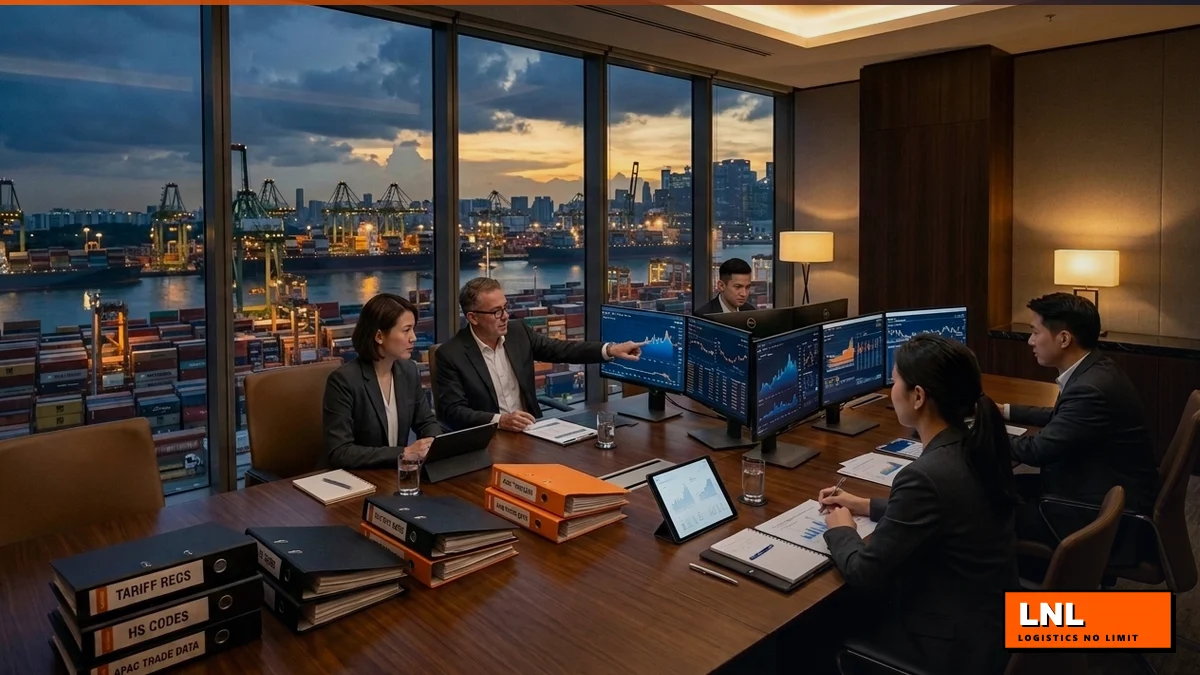
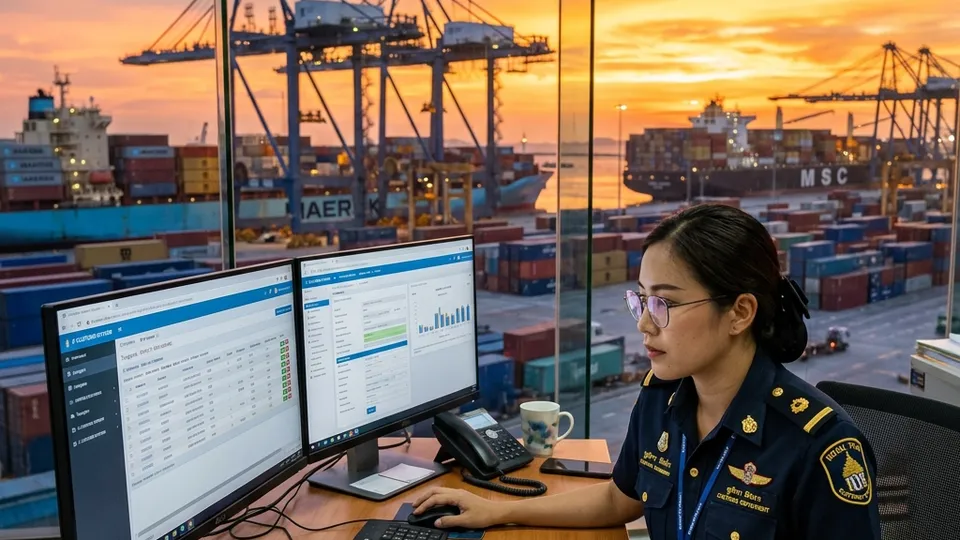
Section 54 of the Customs Act B.E. 2560 regulates individuals or corporate bodies acting as customs brokers. To submit declarations and handle clearance, brokers must be registered and meet licensing standards set by the Director-General. This regulation ensures professional standards, forcing shipping agents to act with integrity and technical knowledge of tariff codes to secure government revenue.
The Principal-Agent Legal Relationship and POA Risks
Thai civil law and customs regulations enforce the principal's liability for actions taken by their agent. The Power of Attorney (POA) signed by the importer is evidence of consent to the broker's actions. If a broker submits an entry with undervalued prices or wrong HS codes to expedite clearance, the importer is legally prosecuted as if they filed the entry themselves. Importers must strictly limit POA scopes and never sign blank POAs.
Looking for Hassle-Free Logistics? Choose LOGISTICS NO LIMIT CO., LTD.!
We specialize in cross-border trucking, customs clearance, and global supply chain management. Secure, compliant, and tracked in real-time.
Contact Our Experts NowMitigating Risks Through Professional Broker Management
To shield the business from customs liabilities, importers must implement rigorous broker evaluation metrics: 1. Exclusively employ licensed and certified customs brokers who maintain automated, audited documentation systems. 2. Draft Service Level Agreements (SLAs) clearly outlining cost liabilities and indemnification clauses in cases of broker negligence. 3. Monthly reconcile actual e-Customs data logs against primary commercial invoices to detect discrepancies early.
Official Reference Agencies and Regulations
- Thai Customs Department: Statutory sections on importer liabilities and criminal penalties under the Customs Act B.E. 2560.
- Ministry of Finance & Appeals Committee: Ministerial decrees on customs valuation and formal tax appeal tribunal procedures.
Licensed customs brokers perform customs clearances on behalf of importers under Section 54 of the Customs Act B.E. 2560. However, this representation does not dissolve the primary legal liabilities of the importer. In cases of duty evasion or false declarations, both the importer (as principal) and the broker (as agent) face joint prosecution unless otherwise proven.
Frequently Asked Questions
Q:Can an importer process customs clearance directly without hiring a broker?
A:Yes. An importer can submit declarations directly if they register their company's e-Customs account and employ certified customs declaration specialists recognized by the Customs Department.
Q:What is the difference between a shipping agent and a licensed customs broker?
A:A shipping agent or freight forwarder manages physical cargo transport, whereas a licensed customs broker is specifically certified by the Customs Department to submit declarations and act on customs matters.