
Key Takeaways
- FTL offers maximum speed, direct delivery, and minimal cargo handling.
- LTL provides excellent cost efficiency for trial runs or low volumes.
- FTL customs clearance is faster as it processes a single importer profile.
FTL: Secure, Swift, but Higher Upfront Costs
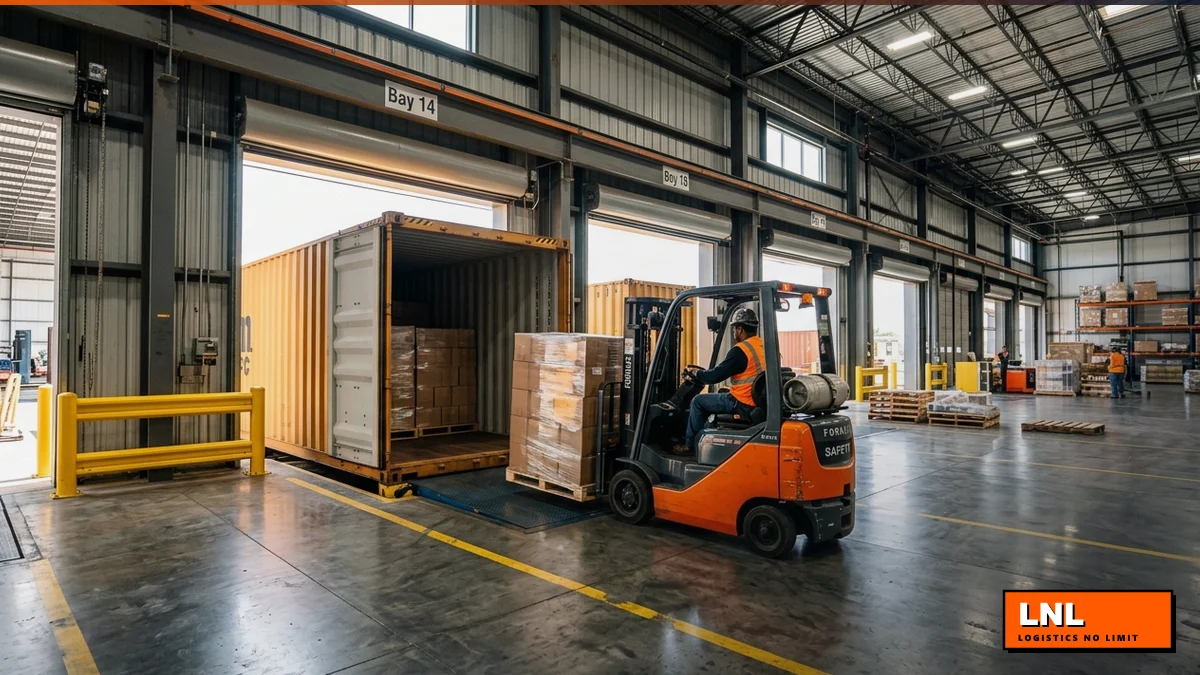
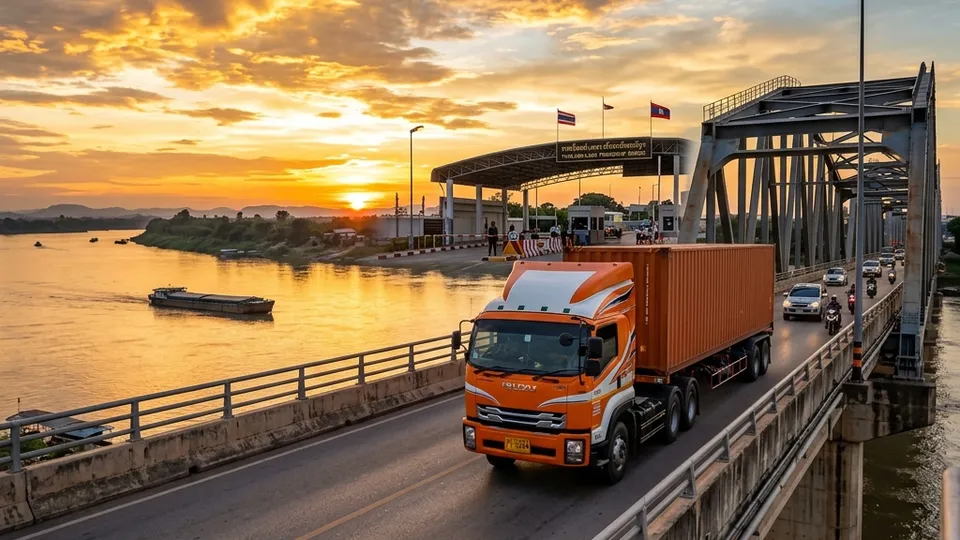
Choosing FTL means the vehicle carries only your goods from origin to destination. This translates to stable transit times as the truck does not stop at multiple consolidation hubs. It also eliminates the risk of cross-contamination from other cargo types, such as strong odors or chemical leakage, damaging your packaging.
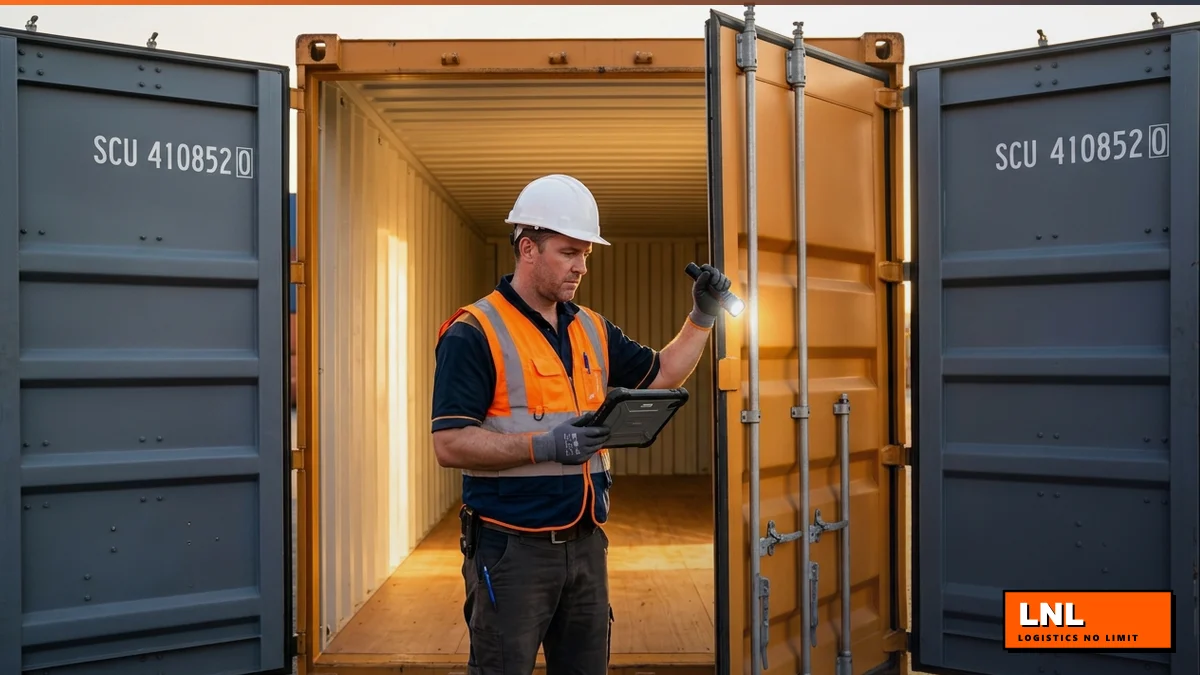
In terms of compliance, FTL containers pass border checkpoints faster. If selected for physical customs inspection (Red Line), it only affects your goods, whereas an entire LTL vehicle can be delayed if even one shipper's documents contain errors.
LTL: Cost-Efficient Alternative for Small Volumes
If your cargo volume is low, LTL is highly economical because you only pay for the space you occupy (measured in CBM or kilograms). The main constraint of LTL is less predictable transit timelines, as the vehicle must halt at various collection and distribution warehouses along the route.
Looking for Hassle-Free Logistics? Choose LOGISTICS NO LIMIT CO., LTD.!
We specialize in cross-border trucking, customs clearance, and global supply chain management. Secure, compliant, and tracked in real-time.
Contact Our Experts NowRisk Management Comparison
For high-value cargo or sensitive electronics, FTL is highly recommended for security and peace of mind. For general, non-perishable goods with robust export packaging, LTL serves as an excellent model to minimize initial logistics expenses.
Official Reference Agencies and Regulations
- Thai Customs Department: Reference under the Customs Act B.E. 2560 and related cross-border transit regulations.
- International Chamber of Commerce (ICC): Incoterms 2020 rules governing international shipping liabilities and transport terms.
FTL (Full Truckload) allocates an entire trailer to one importer, ideal for large, urgent, or high-value shipments. LTL (Less than Truckload) shares cargo space among multiple shippers, saving cost for smaller volumes but requiring longer transit times due to consolidation.
Frequently Asked Questions
Q:Is LTL at higher risk of border delays than FTL?
A:Yes. Because LTL combines shipments from multiple shippers, a documentation error by any single shipper can cause customs officers to hold the entire vehicle pending verification.
Q:At what volume should I switch from LTL to FTL?
A:Typically, when your cargo reaches 15-20 CBM or occupies more than half of the vehicle's capacity, hiring a full truck (FTL) becomes more economical in both cost and transit speed.