

Key Takeaways
- Identify restrictions separating passenger-allowed goods from Cargo Aircraft Only (CAO) items.
- Ensure the shipper holds a valid, accredited IATA Dangerous Goods training certificate.
- Packaging must withstand the severe atmospheric pressure fluctuations in cargo holds.
Understanding the Nine Classes of Dangerous Goods (IATA)
IATA categorizes hazardous materials into 9 distinct classes, ranging from explosives (Class 1) and flammable liquids like perfumes/adhesives (Class 3) to toxic substances (Class 6) and corrosive chemicals (Class 8). Common products like aerosol cans or power banks fall under these strict safety regulations.
UN-Certified Packaging: Engineering for Aviation Safety
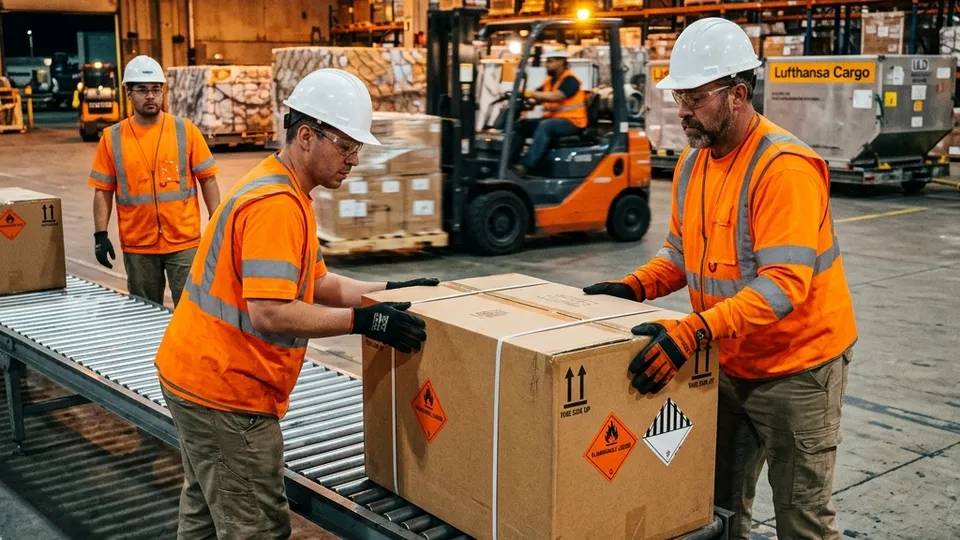
Hazardous cargo cannot be shipped in standard commercial cartons. It requires UN-Certified Packaging that has passed rigorous drop, vibration, and pressure differential testing. These containers are stamped with a UN mark indicating their approved Packing Group (Group I for high danger, II for medium, and III for low).
Looking for Hassle-Free Logistics? Choose LOGISTICS NO LIMIT CO., LTD.!
We specialize in cross-border trucking, customs clearance, and global supply chain management. Secure, compliant, and tracked in real-time.
Contact Our Experts NowThe Importance of the Shipper's Declaration for Dangerous Goods (DGD)
Airlines require a formal DGD containing the correct technical names, UN numbers, net weights, packing instructions, and safety confirmations. This declaration must be signed exclusively by a certified IATA DG specialist. Misdeclaring dangerous cargo or forging signatures is a criminal offense leading to aircraft detention and legal prosecution.
Official Reference Agencies and Regulations
- Thai Customs Department: Regulations on cargo clearance and declarations for sea, air, and road freight under the Customs Act B.E. 2560.
- Port Authority & CAAT: Port container handling directives and Civil Aviation Authority air cargo security screening standards.
Shipping Dangerous Goods (DG) by air demands strict compliance with IATA DGR regulations, executed through 4 pillars: 1. Accurate classification of the substance under the 9 DG classes. 2. Using UN-certified packaging tested for air pressure changes. 3. Proper application of hazard labels and marks. 4. Submitting a completed Shipper's Declaration for Dangerous Goods (DGD) signed by a certified specialist.
Frequently Asked Questions
Q:Which dangerous goods are strictly prohibited from air transport?
A:Highly sensitive explosives, unstable gases, chemicals that ignite or explode under slight thermal changes, and radioactive substances that fail IATA maximum emission thresholds are completely banned.
Q:What is an MSDS and does it have an expiration date?
A:An MSDS (Material Safety Data Sheet) is a safety document detailing chemical hazards. While it doesn't expire, exporters should submit versions updated within the last 3-5 years conforming to the latest GHS standards.