
Key Takeaways
- Revise internal logistics SOPs immediately when new customs regulations are announced.
- Train purchasing and warehouse teams on document compliance standards and container seals.
- Implement a double-check validation flow with your broker before declaration submission.
- Utilize transport and brokerage providers holding recognized international standards.
The Need for Auditing Customs Compliance SOPs
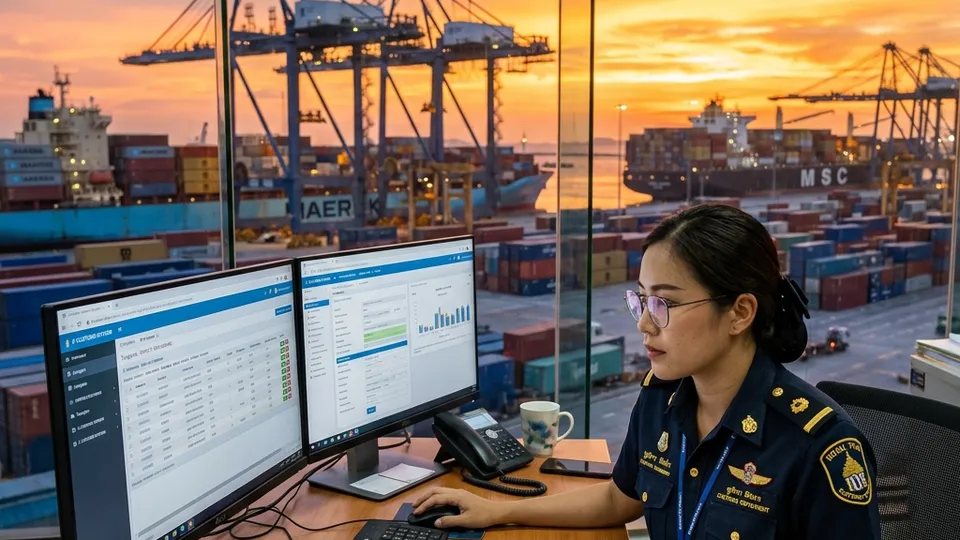
Consistent auditing of SOPs is vital to eliminate supply chain defects. Defining clear ownership between procurement, accounting, and shipping teams ensures trade details - like HS codes and preferential tariffs - are verified and locked before vessel departures.
Controlling Hidden Logistics Costs via Process Facilitation
Filing import entries prior to vessel arrivals prevents congestion bottlenecks at destination terminals. Businesses clearing customs automatically avoid port storage fees and demurrage charges, contributing to corporate profitability.
Looking for Hassle-Free Logistics? Choose LOGISTICS NO LIMIT CO., LTD.!
We specialize in cross-border trucking, customs clearance, and global supply chain management. Secure, compliant, and tracked in real-time.
Contact Our Experts NowOfficial Reference Agencies and Regulations
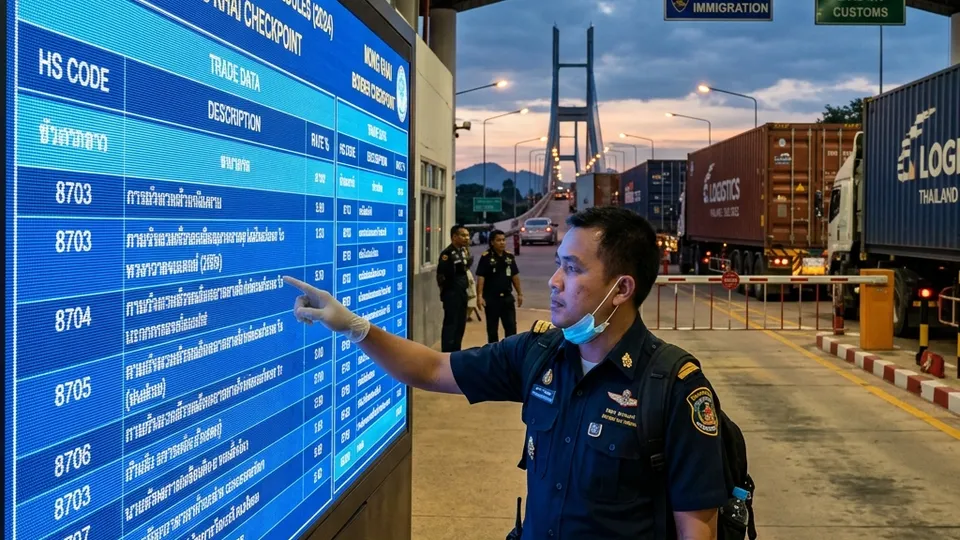
- Thai Customs Department: Latest customs decrees, notifications, and cargo release facilitation measures at border entry points.
- Ministry of Finance & WCO: Annual custom tariff rate revisions and international customs supply chain safety guidelines (SAFE Framework of Standards).
Updating your corporate Standard Operating Procedures (SOPs) to match the latest customs decrees minimizes errors in declaration filings and secures expedited customs clearances, protecting your supply chain from costly port holds.
Frequently Asked Questions
Q:How often should import-export SOPs be reviewed and updated?
A:SOPs should be reviewed at least once a year, or immediately when major customs revisions are introduced (such as new HS System tariff updates) to ensure regulatory compliance.