
Key Takeaways
- Monitor updates to risk profile parameters and targeted origin countries weekly.
- Upgrade corporate status to AEO to secure green-channel privileges.
- Ensure packing list descriptions and licensing documents are 100% accurate.
- Deploy experienced brokers capable of coordinating with port inspectors if Red Line flags occur.
Customs Automated Risk Profiling and Target Flagging Systems
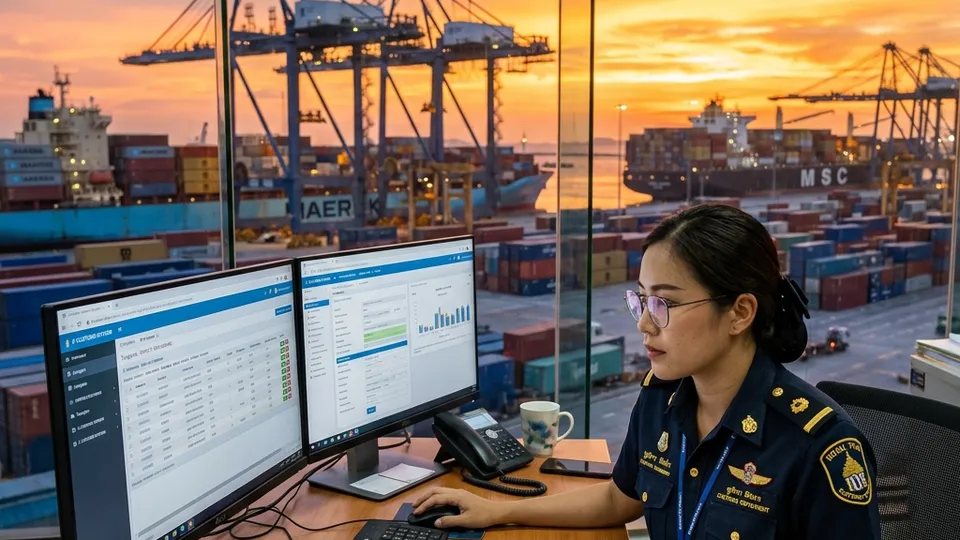
The e-Customs engine implements advanced risk-evaluation software to screen declarations. If input elements trigger flags - such as commodity codes highly prone to tax evasion or high-risk origin ports - the system switches the entry status from Green Line to Red Line. Importers must confirm product specs and certificates before ship departure.
Standard Procedures for Handling Red Line Customs Inspections
If your cargo is marked Red Line, the customs broker must prepare to coordinate physical container stripping at the customs station. Having well-organized cargo stowage inside the container and presenting clear product manuals in Thai accelerates the inspector's verification, reducing terminal handling costs.
Looking for Hassle-Free Logistics? Choose LOGISTICS NO LIMIT CO., LTD.!
We specialize in cross-border trucking, customs clearance, and global supply chain management. Secure, compliant, and tracked in real-time.
Contact Our Experts NowOfficial Reference Agencies and Regulations
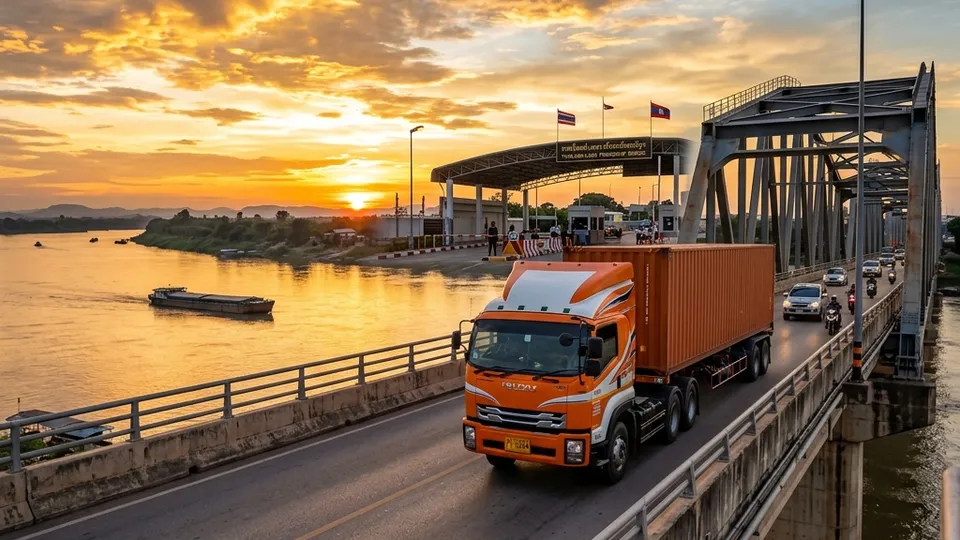
- Thai Customs Department: Latest customs decrees, notifications, and cargo release facilitation measures at border entry points.
- Ministry of Finance & WCO: Annual custom tariff rate revisions and international customs supply chain safety guidelines (SAFE Framework of Standards).
The latest updates to the customs risk profiling (Risk Profile) algorithm directly impact container releases. Compliant importers with AEO status clear automated Green Line channels without physical checks. However, importers with a history of errors are routed into Red Line channels, requiring container X-rays and physical inspection.
Frequently Asked Questions
Q:Can a Green Line declaration still be inspected?
A:Yes, but it is extremely rare. It typically occurs during random container X-ray screenings at port exit gates or if customs security divisions discover suspicious security anomalies.