
Key Takeaways
- Verify importer/exporter corporate registry details against shipping documentation.
- Audit invoice data to ensure correct HS classifications and technical specifications.
- Validate net weight and gross weight values to prevent system warnings at border gates.
- Cross-check draft declarations with brokers well before container arrival.
Data Accuracy Control in e-Customs Submissions
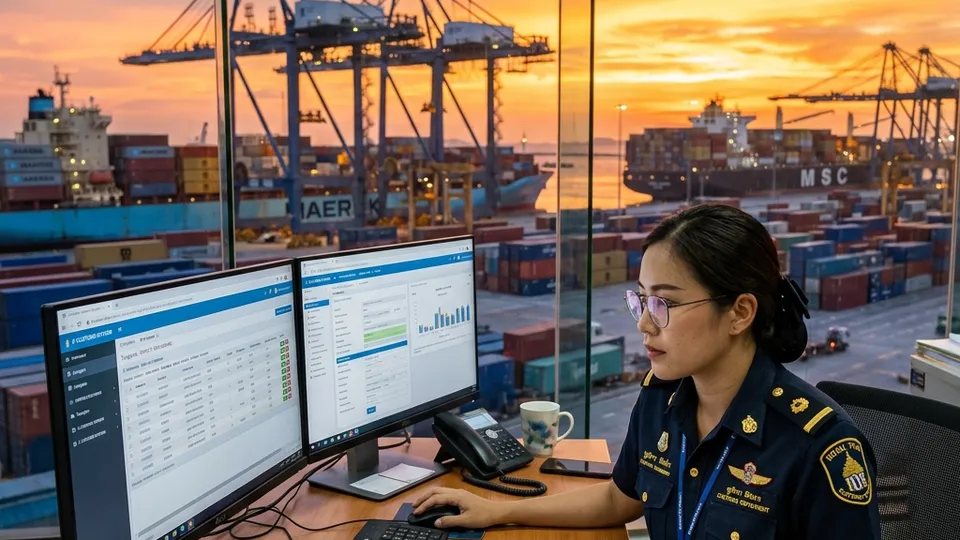
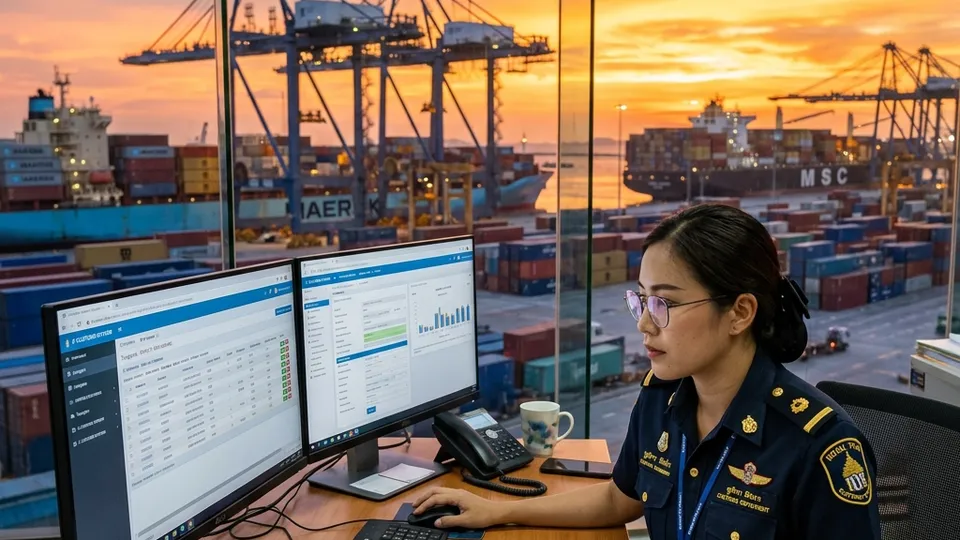
Data quality is crucial in automated e-Customs processing. Spelling mistakes or quantity mismatches from actual weights trigger system flags, rerouting containers to physical inspection zones. This disrupts delivery timelines and incurs container storage and handling fees at ports of entry.
Establishing Corporate Product Databases (Master Data)
To bypass manual checks, logistics departments should audit historical entry errors and refine standard operating procedures (SOPs). Verifying commercial details and origin codes before broker submission ensures cost-efficient transit and compliance with customs rules.
Looking for Hassle-Free Logistics? Choose LOGISTICS NO LIMIT CO., LTD.!
We specialize in cross-border trucking, customs clearance, and global supply chain management. Secure, compliant, and tracked in real-time.
Contact Our Experts NowOfficial Reference Agencies and Regulations
- Thai Customs Department: Latest customs decrees, notifications, and cargo release facilitation measures at border entry points.
- Ministry of Finance & WCO: Annual custom tariff rate revisions and international customs supply chain safety guidelines (SAFE Framework of Standards).
Thai Customs has tightened control over import-export electronic data quality. Frequent discrepancies in supplier names, HS codes, or cargo weights can lower your company's compliance rating, reclassifying you as a High-Risk Importer and triggering higher rates of red-line physical inspections by customs computers.
Frequently Asked Questions
Q:What is the acceptable variance for net weight declarations?
A:Customs checkpoints generally allow a small weight variance of 2-5% (depending on the cargo type, such as agricultural products or bulk cargo). Larger variances prompt physical inspections.