
Key Takeaways
- Section 116: Grants the Director-General of Customs authority to approve various types of Bonded Warehouses.
- Section 118: Limits the storage duration of goods in a bonded warehouse to a maximum of 2 years from the date of importation.
- Inventory Ledger Compliance: Mandates real-time electronic stock reports linked to customs monitoring databases.
- Missing Cargo Penalties: Discrepancies in warehouse stock cards are legally treated as smuggling, invoking severe fines.
Licensing and Framework Under Section 116
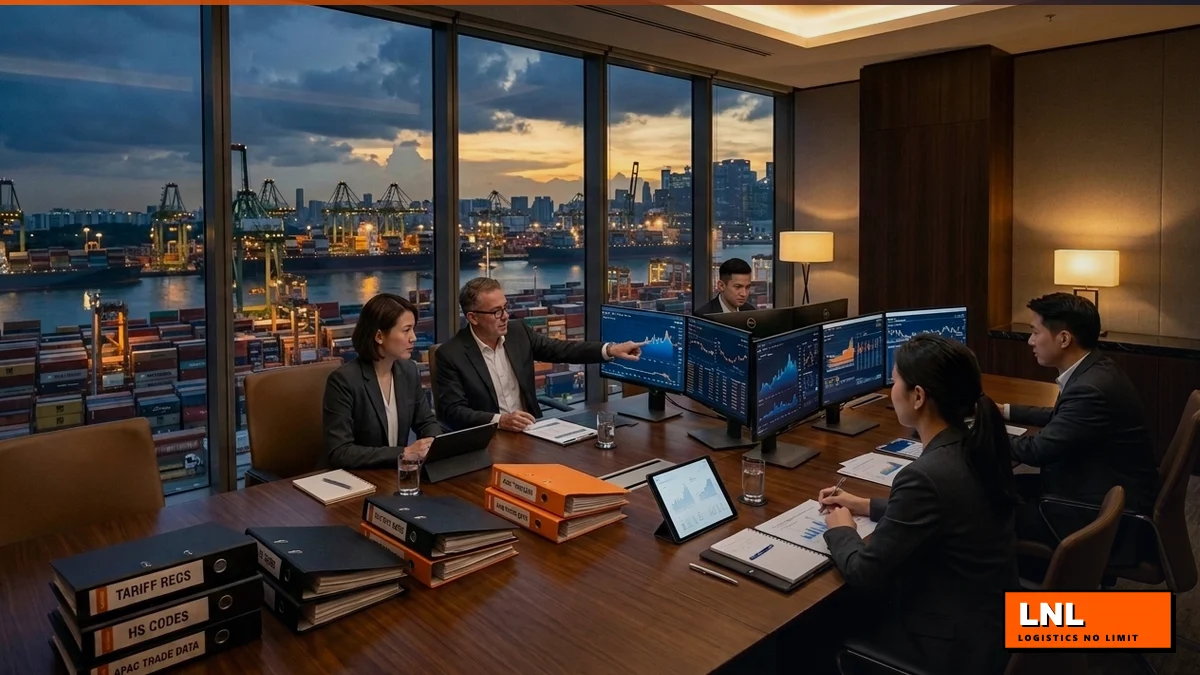
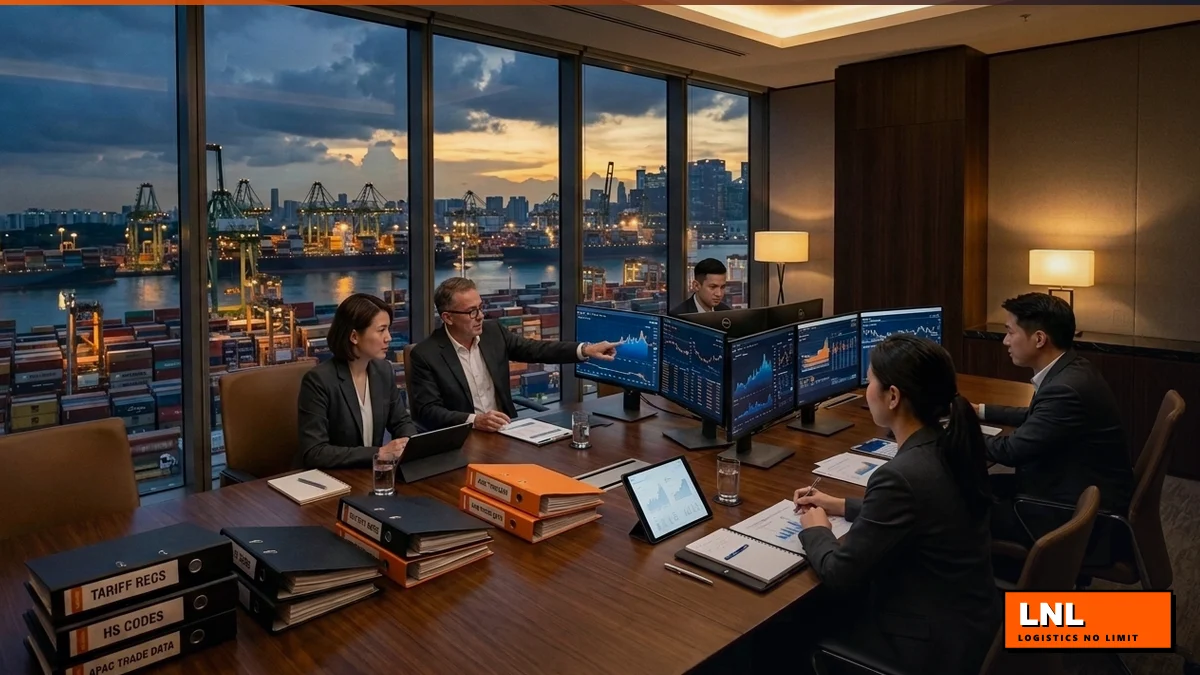
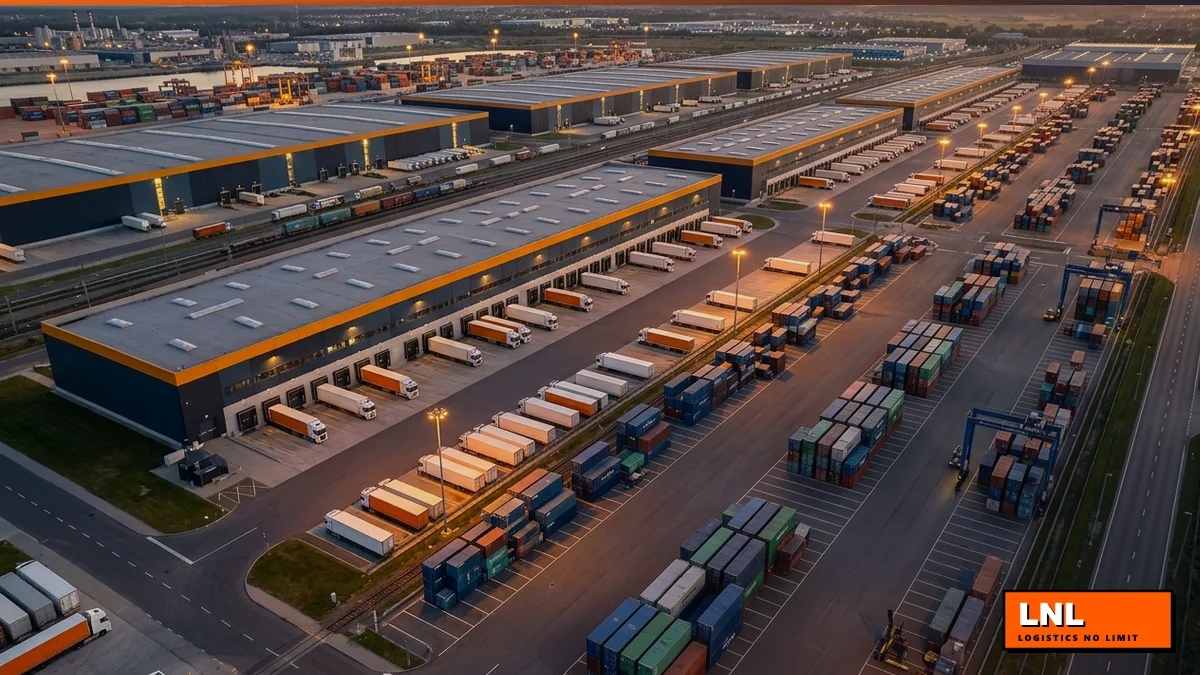
Section 116 of the Customs Act B.E. 2560 empowers the Director-General of Customs to authorize the establishment of bonded warehouses for storage, manufacturing, or other purposes beneficial to commercial and industrial growth. Bonded warehouses permit importers to defer import duty payments until the goods are withdrawn for domestic consumption, or to be exempt from duties altogether if the goods are processed and exported within the legal timeframe.
Storage Limits and Section 118 Regulations
Section 118 mandates that goods placed in a bonded warehouse may be stored for a maximum period of 2 years from the date of entry. Extensions must be requested in writing to the customs director prior to expiry, backed by sound industrial reasons. If the storage limit expires without domestic clearance or re-exportation, the goods will be deemed abandoned and subject to public auction by customs to recover outstanding duties.
Looking for Hassle-Free Logistics? Choose LOGISTICS NO LIMIT CO., LTD.!
We specialize in cross-border trucking, customs clearance, and global supply chain management. Secure, compliant, and tracked in real-time.
Contact Our Experts NowStatutory Record-Keeping and Stock Card Liability
Bonded warehouse operators are legally liable for warehouse security and must maintain detailed stock records recording all receipts, distributions, and balances. If physical audits reveal shortages against the registered ledger without proof of natural loss or force majeure, the law presumes the missing cargo was unlawfully removed, triggering severe tax evasion penalties.
Official Reference Agencies and Regulations
- Thai Customs Department: Statutory sections on importer liabilities and criminal penalties under the Customs Act B.E. 2560.
- Ministry of Finance & Appeals Committee: Ministerial decrees on customs valuation and formal tax appeal tribunal procedures.
A Bonded Warehouse licensed under Sections 116 to 129 of the Customs Act B.E. 2560 allows operators to store imported goods for assembly, processing, or trade with suspended import duties. The law strictly mandates detailed inventory ledgers and prohibits any cargo release without customs supervision.
Frequently Asked Questions
Q:Can goods in a bonded warehouse be repacked or repaired?
A:Yes, in certain types of bonded warehouses, provided that prior approval is obtained and the activities are conducted under customs inspection.
Q:If a fire destroys the bonded warehouse, are import duties still payable?
A:If it can be proven that the destruction was due to force majeure and not the negligence of the operator, duty relief may be granted under Section 123.